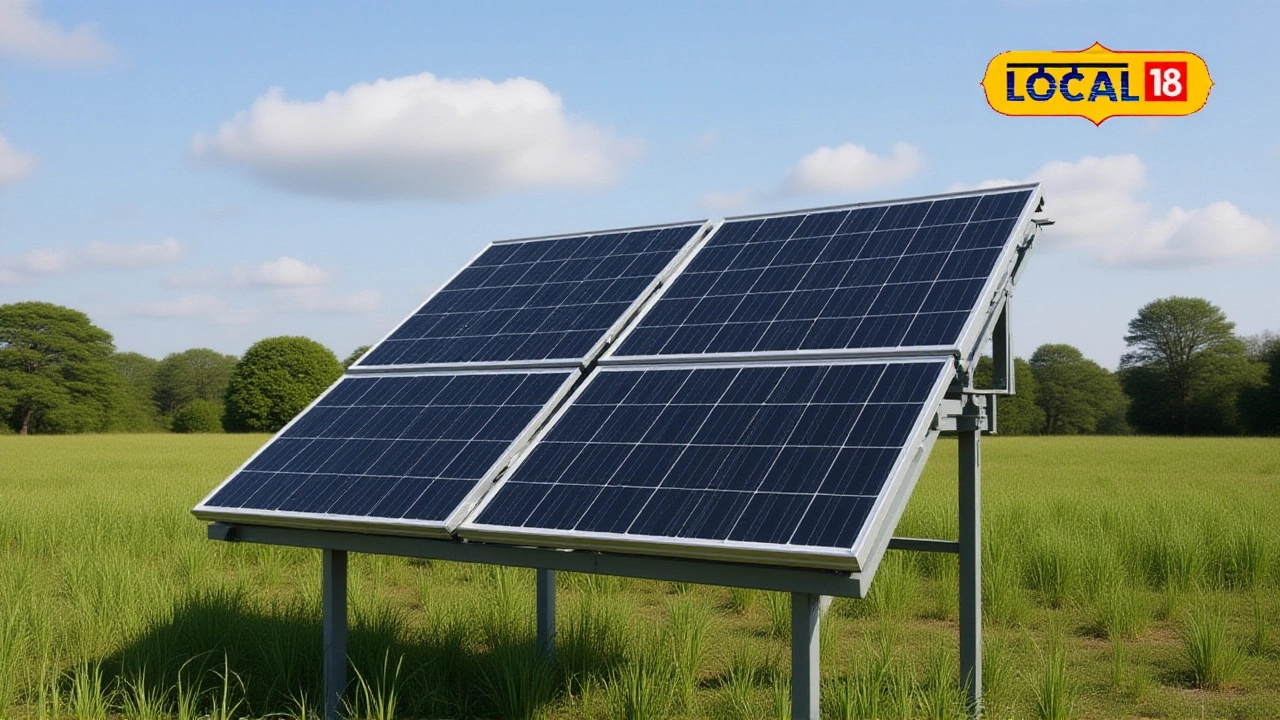
Here’s a hard truth for anyone with panels on their roof: if you haven’t cleaned them in six months, you’re likely losing money. Dirty solar panels can suffer an efficiency drop of up to 15%, meaning that dust and grime are silently eating into your energy savings. But it’s not just about wiping down glass; improper care can shorten the lifespan of the system or, worse, create serious safety hazards.
The issue is becoming critical as more households in India switch to renewable energy. While the initial installation gets all the attention, long-term performance hinges entirely on routine maintenance. Turns out, neglecting this step doesn’t just mean higher electricity bills—it can void warranties and pose lethal risks if cracks go unnoticed.
The High Cost of Neglect
According to a recent guide published by ABP Live, regular cleaning isn't optional; it's essential for peak performance. The data is stark: a layer of dust can reduce energy production by nearly one-seventh. Conversely, proper cleaning can boost output by that same 15% margin. That’s a significant swing in annual generation.
But here’s the thing—how you clean matters just as much as when you clean. Using high-pressure water jets or abrasive scrubbers might seem like a quick fix, but it’s actually damaging the anti-reflective coating on the panels. This micro-scratching reduces light absorption over time, permanently lowering efficiency. Experts recommend using low-pressure water and soft cloths only. Chemical cleaners? Avoid them entirely. They degrade the surface and offer no real benefit over plain water.
Safety First: The Hidden Danger of Cracks
While efficiency is important, safety is non-negotiable. A viral video titled "Death from Solar Panel" highlighted a terrifying risk often ignored by homeowners. If a panel develops even a hairline crack, rainwater can seep inside during monsoons. This moisture interacts with the live current flowing through the cells, potentially electrifying the metal frame and the entire mounting structure.
In large installations, string voltages can reach 400 volts or even 1,000 volts in commercial plants. A shock at these levels is fatal. The advice from technicians is clear: inspect your panels every two to three months. If you see any cracks, do not ignore them. Do not try to DIY repair it after watching a YouTube tutorial. Remove the damaged panel immediately and call a certified professional. One cracked unit can compromise the safety of the whole system.
Warranty Realities: What You Need to Know
Most manufacturers provide a 25-year performance warranty, but understanding the terms is crucial. Typically, this guarantees that the panel will produce at least 90% of its rated power in the first 10 years. After that, the guarantee drops to 80% for the remaining 15 years. Some premium brands now offer warranties extending up to 31 years.
If your panel’s output falls below these thresholds due to manufacturing defects, you may be eligible for a claim. However, damage caused by lack of maintenance—like soiling-induced hot spots or physical breakage—is usually excluded. This is why keeping records of your cleaning and inspections is vital. It proves you’ve maintained the equipment properly, protecting your investment.
Pre-Installation Checks Matter
Maintenance starts before the first panel is even installed. According to insights from MYSUN, prospective buyers must evaluate their roof’s structural integrity. Can it bear the additional weight? Is there sufficient unshaded area? More importantly, analyze your electricity consumption patterns. Installing a system that’s too small won’t save enough, while an oversized one might have excess capacity that goes unused.
Also, consider the financial aspect. Government subsidies can significantly reduce upfront costs, but they require specific documentation and timely applications. Planning ahead ensures you don’t miss out on incentives that could pay for half the installation cost.
A Simple Maintenance Checklist
- Clean every 6 months: Use low-pressure water and soft cloths. Never use chemicals or abrasive tools.
- Inspect every 2-3 months: Look for cracks, debris accumulation, or loose connections.
- Professional check-up: Have a technician inspect the system once or twice a year.
- Dry thoroughly: After cleaning, ensure panels are completely dry to prevent moisture-related issues.
- Monitor performance: Use monitoring apps to track daily energy production. Sudden drops indicate problems.
Frequently Asked Questions
How often should I clean my solar panels?
It is recommended to clean your solar panels every six months. In areas with heavy pollution or frequent dust storms, you may need to clean them more often. Regular cleaning prevents a 15% loss in efficiency due to dirt buildup.
Is it dangerous to touch solar panels?
Touching intact panels is generally safe, but cracked panels can be extremely dangerous. Water entering a crack can electrify the frame, especially in systems with high voltage (up to 1,000V). Always wear protective gear and consult a professional if you suspect damage.
What does a 25-year solar warranty cover?
A standard 25-year warranty typically guarantees that the panel will produce at least 90% of its rated power in the first 10 years and 80% thereafter. It covers manufacturing defects but usually excludes damage from poor maintenance or physical impact.
Can I clean solar panels myself?
Yes, but be careful. Use only low-pressure water and soft cloths. Avoid chemical cleaners and abrasive materials that can scratch the surface. For roof-mounted systems, hire professionals to avoid fall risks and ensure thorough inspection.